ENVIRONMENT
Building efficient and sustainable data centers
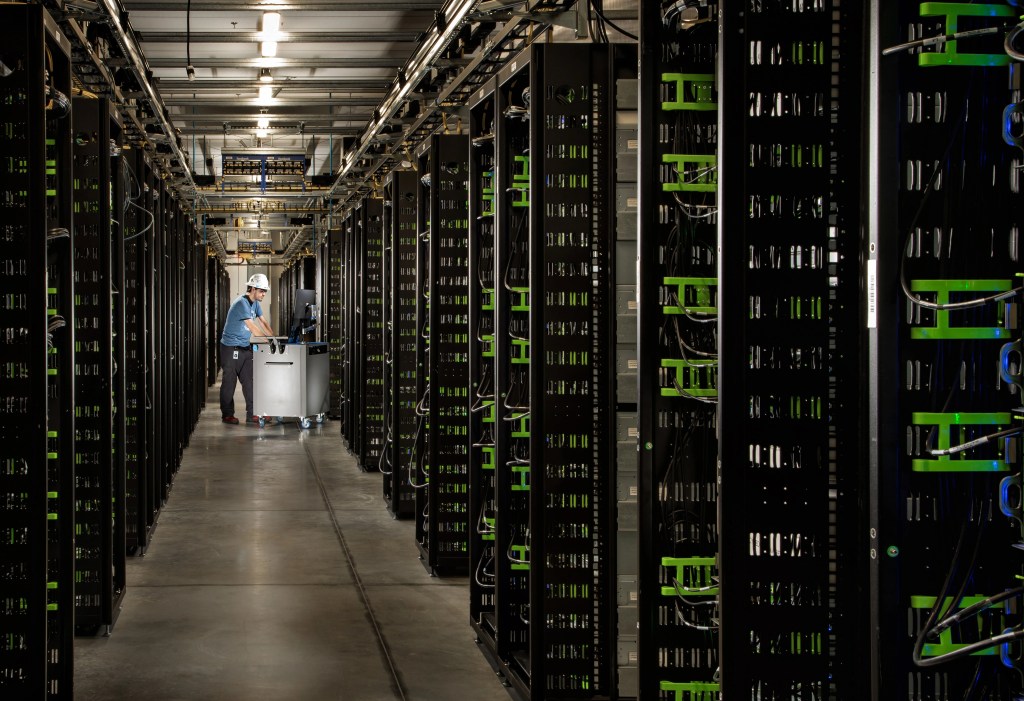
We take a full-lifecycle approach, focusing on reducing environmental impact from design and construction through operations and the responsible management of our equipment.
Supporting biodiversity at our data center properties
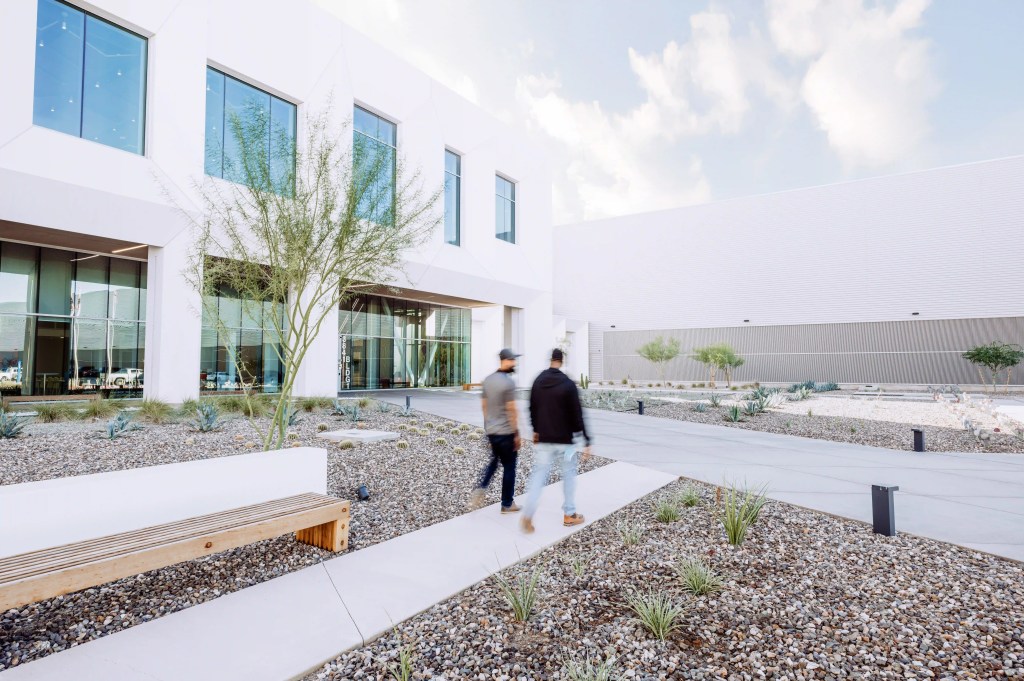
We have a strong focus on preservation of natural spaces around our data centers, striving to dedicate and restore the vast majority of unbuilt outdoor spaces to native habitat.
How we preserve biodiversity
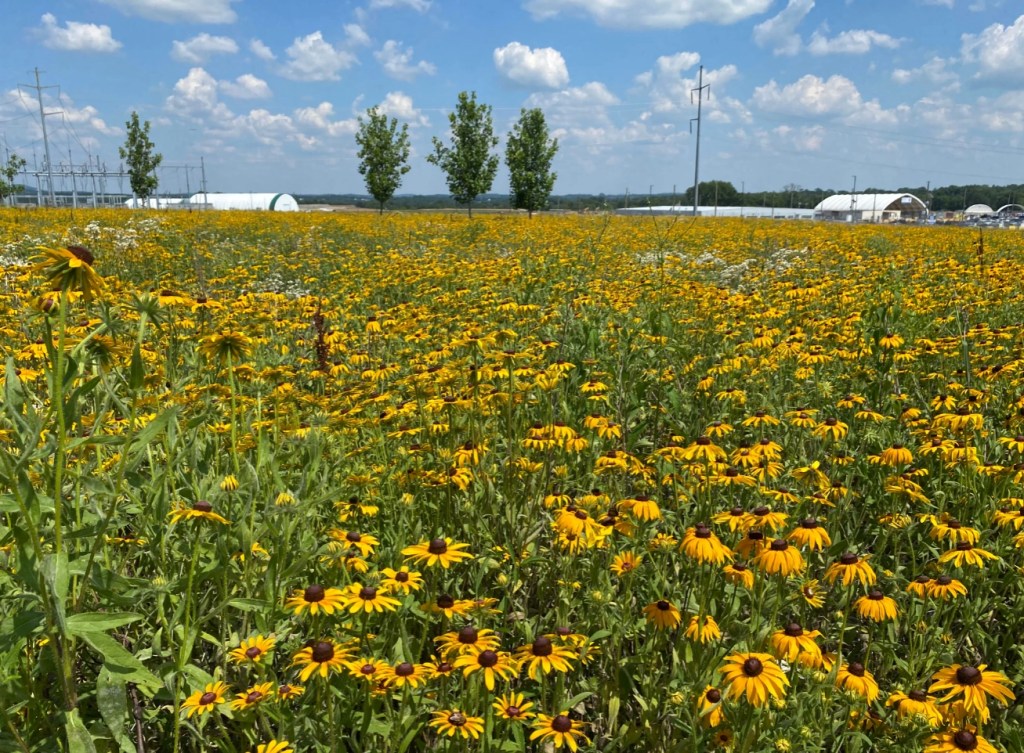
Meta uses a science-based, standardized approach to assess and enhance biodiversity across our data center campuses, working with local habitat experts during site development, construction and operations. We design our campuses to minimize our impacts to sensitive ecosystems, and once construction activities start to wrap up, we restore landscapes to reflect local and regional ecology. Today, more than 50% of our operational data center footprint — over 4,000 acres — has been planned, restored or preserved to support native habitats, with additional biodiverse acreage added as new campuses come online.
Highlight — Montgomery Data Center Black Belt Prairie ecosystem
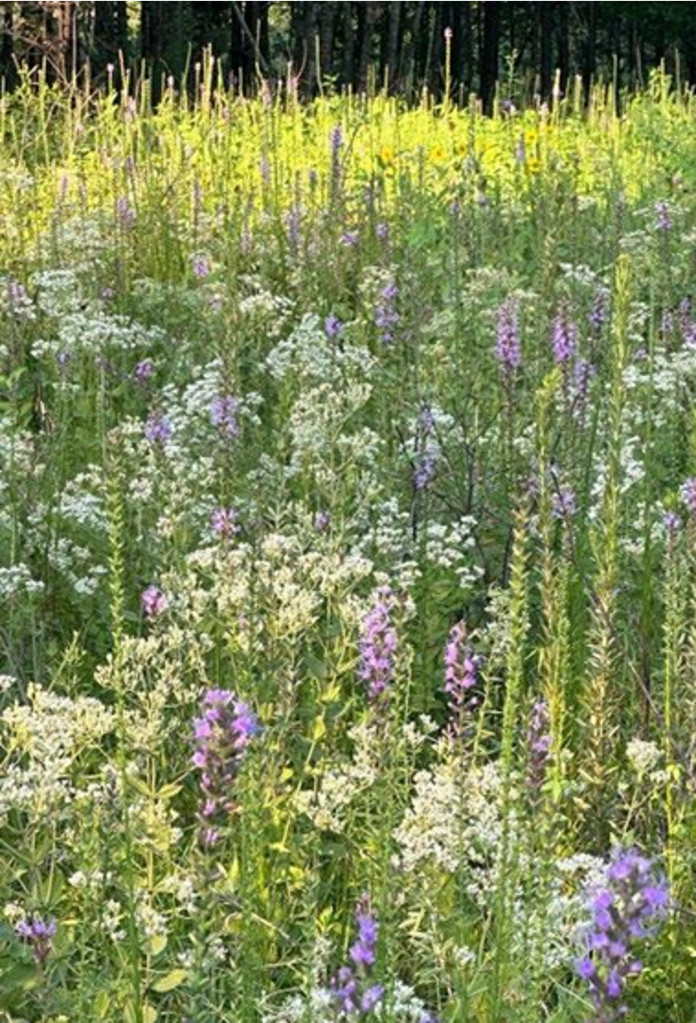
At our Montgomery Data Center in Alabama, we are working to restore the endangered Black Belt Prairie — a globally rare ecosystem. Prior to Meta acquiring the site, it had been overtaken by invasive grasses. We established an onsite conservation garden and seed processing facility to produce a highly diverse mix of locally native seeds, which will be used to restore and expand the Black Belt Prairie ecosystem across our campus and beyond.
We address emissions associated with the construction and operation of our data centers through a combination of design, low-carbon material choices, and data-driven optimization.
Sustainable data center building materials and fuel
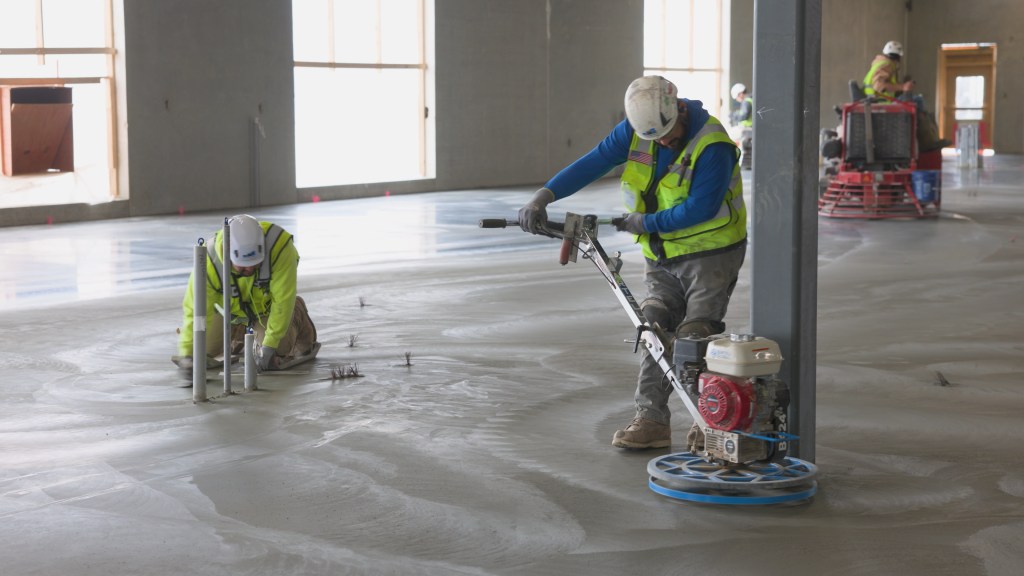
Meta is working to incorporate more sustainable building materials into the construction of our data centers. This includes low-carbon concrete, mass timber and low-carbon metals. Additionally, we are transitioning from using conventional diesel in backup generators to renewable hydrotreated vegetable oil (HVO) and have approved the use of this biofuel at several data center locations.